

Choose a fractional CTO when the business needs senior technology judgment on a defined schedule and has people who can carry decisions into daily execution. Choose a full-time technology leader when continuing decisions, team management, and operational follow-through require a dedicated owner throughout the week.
Evidence note. This guide draws on a real, unnamed hospitality leadership search and public guidance. The comparison below is a decision tool, not a measured staffing benchmark.
The title can make this choice harder than it needs to be. A business asking for a CTO may need an engineering executive, a director of restaurant systems, or someone who can manage vendors and implementations. Before comparing retainers with salaries, write down the decisions the person will own.
What does a fractional CTO do?
A fractional CTO supplies senior technology leadership for part of their working time. The scope may include architecture, hiring, vendor decisions, technology planning, or oversight of a defined change. Availability and authority need to be agreed rather than inferred from the title.
Fractional does not automatically mean advisory-only. A provider may take responsibility for execution, but the engagement needs enough time and the right decision rights to do that work. Fortium Partners' practitioner guide distinguishes part-time fractional leadership, full-time interim coverage, and permanent executive search. Those are different arrangements, not interchangeable names for inexpensive leadership.
Start with the work already waiting. Which of these needs is driving the search?
- An engineering manager needs an architecture decision.
- A restaurant brand needs to choose a point-of-sale platform.
- Someone must manage deployment across locations, coordinate vendors, and respond when operations change.
The first two needs may fit a scheduled engagement if an internal owner can execute. For the third, check who will be available to make those decisions throughout the week. A weekly planning call does not supply the person who resolves conflicting deployment priorities on Wednesday afternoon.
If the question is seniority within an engineering organization, use the separate Director-versus-VP decision based on the missing work. Use this article to decide how much of the leader's time and continuing responsibility the work requires.
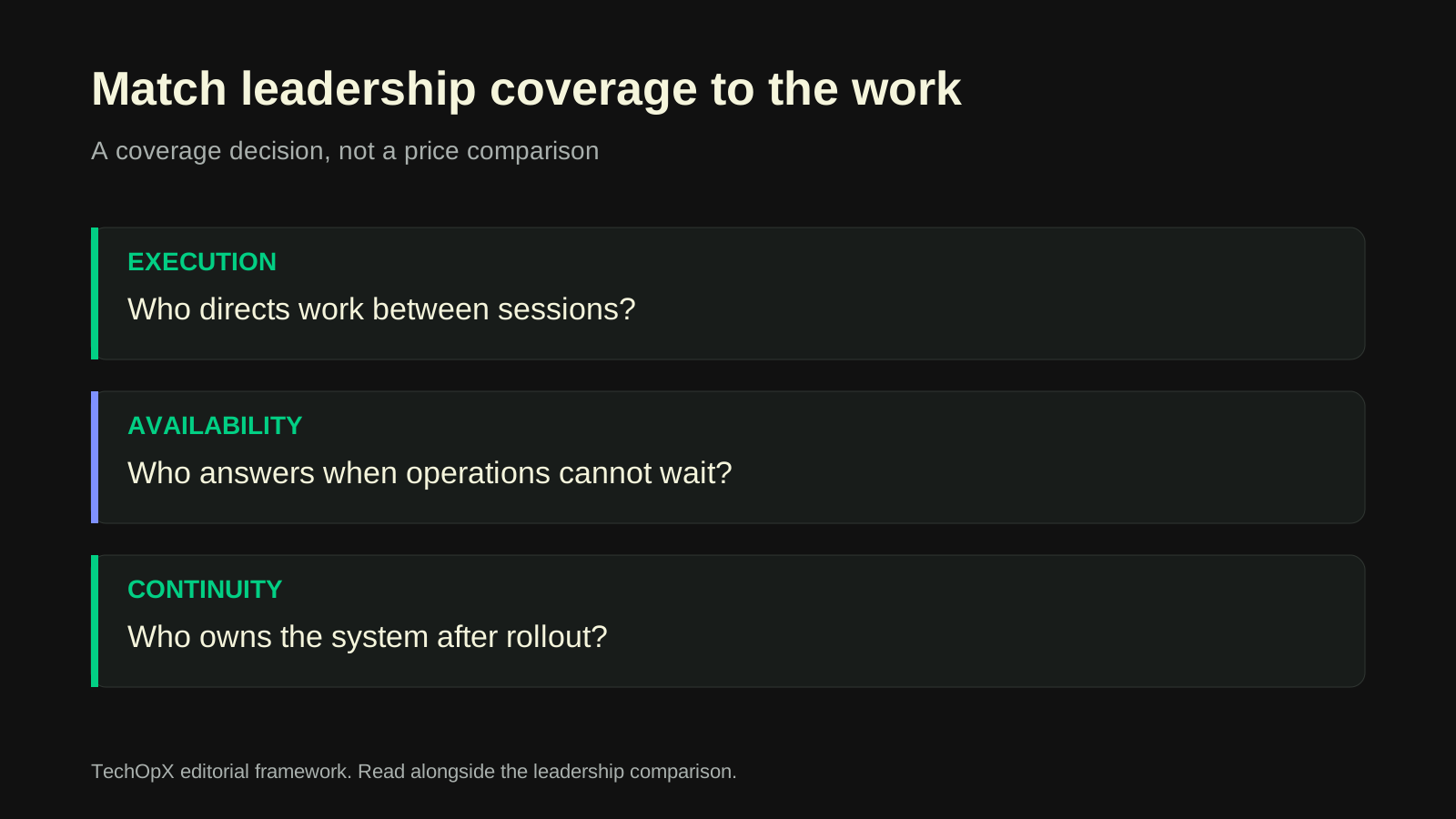
Leadership coverage. Name who directs execution, answers unscheduled operational decisions, and owns the system after rollout. TechOpX editorial framework, not a measured benchmark.
When does the work require a full-time leader?
Full-time leadership becomes the stronger choice when the role owns continuing decisions that cannot wait for the next scheduled session. The need includes the team's operating rhythm, not only the next project milestone.
In a recent hospitality search, the client considered both full-time and fractional leadership. Their situation included possible investment and franchise expansion, alongside work that required a hands-on senior person. I recommended a full-time director of restaurant systems and technology. That was the role in the search, not a CTO position.
The recommendation came from the responsibility after implementation. The business needed someone who could stay involved, travel when the work required it, and carry the operating decisions forward. A defined technology rollout could support a different recommendation if the team already had an owner for what followed.
Write the responsibilities in ordinary language. Someone must decide:
- Is a location ready to launch?
- Does a vendor issue block deployment?
- Can the team support the new system?
If those decisions recur throughout the week, specify the coverage they require before choosing an engagement model.
Security responsibility also needs a named owner. The NIST Cybersecurity Framework calls for established and communicated cybersecurity roles and decision authority. Apply that to the staffing decision. An outside leader can support the work, but the company needs to know who can approve access, accept risk, and respond between scheduled meetings.
How should you compare the two options?
Compare the options against the same responsibilities. Use the questions below before requesting a proposal or opening a permanent role.
This is not a scorecard where three answers mechanically determine the hire. One requirement can decide the model. If daily operational coverage is essential and the proposed fractional engagement cannot provide it, a lower monthly fee does not resolve the gap.
For hospitality teams, specify rollout windows, travel expectations, and vendor responsibilities. Name the person who answers to operations when a system fails. For a software vendor, specify engineering management, architecture authority, and the customer commitments the role can change.
Compare cost only after scope matches. Request the proposed retainer, included availability, escalation terms, expenses, and handover obligations. Compare those with the permanent role's compensation and employment costs, using your own finance assumptions. This guide does not supply a universal salary or fractional-rate benchmark.
What should you ask before engaging either leader?
Ask for evidence of the decisions the person has owned, then test it against the job you need done. A recognizable employer on a résumé does not establish whether the candidate made the relevant decisions.
In my technical screens, I distinguish work someone personally owned from work their team delivered or another team handled. Apply that distinction to leadership experience. Ask which decision the candidate made, what authority they had, what changed, and who carried responsibility afterward.
Use a consistent assessment. The Office of Personnel Management describes structured interviews using job-related questions and common rating standards. You can use that principle to compare candidates against the same role, rather than letting each résumé define a different job.
Bring these questions to the discussion:
- Which decisions will you own, and which stay with our team?
- What availability is included, and what happens outside it?
- Who manages execution when you are unavailable?
- What evidence will show the engagement is working?
- What documents, access, and decisions transfer at the end?

Leadership assessment. Ask job-related questions, apply common standards, and separate personal decision ownership from team results. Assessment principles follow OPM guidance linked above; ownership application is TechOpX guidance.
If the missing capability is an engineer working under an existing leader, use the contract-versus-full-time engineering guide. Adding executive advice will not fill an implementation seat, and adding a contractor will not resolve missing executive authority.
What else should buyers clarify?
Is a fractional CTO the same as an interim CTO?
No. Fractional describes a part-time engagement. Interim describes temporary coverage of a role, which may require full-time availability. Confirm the scope and schedule in the agreement.
Can a fractional CTO manage engineers?
Yes, if people management, availability, and decision authority are included. Identify who handles daily management when the fractional leader is unavailable.
Is fractional leadership always cheaper?
No universal cost comparison applies. Compare proposals against equivalent work and coverage, including the internal management time the engagement still requires.
Can fractional leadership support a permanent search?
A temporary engagement can help define the permanent role and maintain coverage. Specify handover responsibilities and avoid treating conversion to employment as guaranteed.
Does every business need someone titled CTO?
No. Choose the title after defining the responsibilities. A director of technology or restaurant systems may match an operating need more accurately.
Put the required decisions, coverage, and continuing owner on one page before requesting candidates. Bring that brief to a 15-minute technology hiring fit check to discuss the role and engagement the work calls for.

